Poetics of the Excerpt in Duras:Un Barrage contre le Pacifique, L’amant, L’amant de la Chine du Nord
30 March 2026 2026-05-11 1:32Poetics of the Excerpt in Duras:Un Barrage contre le Pacifique, L’amant, L’amant de la Chine du Nord

Poetics of the Excerpt in Duras:Un Barrage contre le Pacifique, L’amant, L’amant de la Chine du Nord
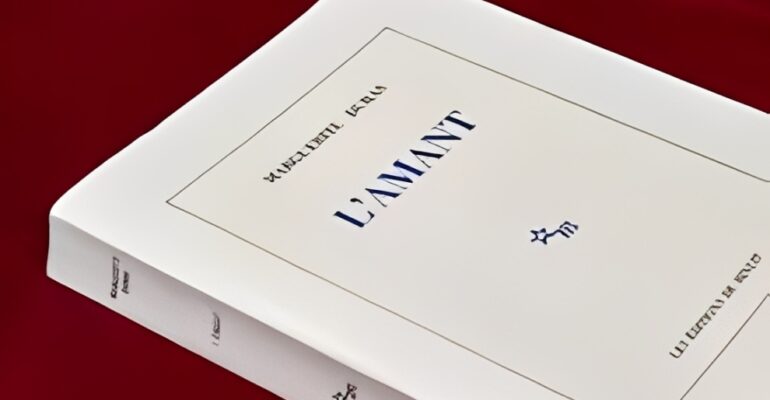
This study addresses a critical gap in scholarship on Marguerite Duras, where readings often oscillate between stylistic analyses of fragmentation and thematic interpretations of colonial trauma that treat the text as a mere document without examining its closure devices. It argues for a coherent aesthetic and ethical project in Duras’s work, one that replaces novelistic resolution with dynamics of openness, ellipsis, and temporal suspension through which the unspeakable dimension of colonial trauma emerges. Methodologically, the study combines narratology—drawing on Gérard Genette’s categories of voice and time—with reflections on colonial memory and analysis of vocal and transmedial devices, applied to the excerpts of three works revisiting the same Indochinese autobiographical material over more than four decades: Un barrage contre le Pacifique, L’Amant, and L’Amant de la Chine du Nord. The findings show that each excipit resists traditional closure through distinct regimes—nocturnal dissolution, vocal reactivation of the past, and transmedial doubling between novelistic pathos and cinematic cutaway—where the reciprocal contamination of past and present exceeds stylistic effect and instead structures a form in which incompleteness enacts the irreducibility of fragmented memory. Ultimately, the excipit in Duras neither closes nor simply fails to close; it opens a space of memory resistant to symbolic reconciliation, thereby reconfiguring the debate on narrative closure in postcolonial literature.
Abdelilah Farhi
Related Posts
Search
Categories
Popular Tags
Popular tags